

(Zaragoza, Wednesday, 16 September 2026). How do mammals respond to global climate change? Do all species react in the same way? The fossil record offers a unique opportunity to address these questions, allowing scientists to examine over millions of years how species adapted—or failed to adapt—to major environmental transformations.
A study published in the international journal BMC Biology has analysed the response of an equid that inhabited Europe approximately 16 million years ago, during a period marked by major climatic and environmental changes. The results show that, despite the expected environmental variation, the animal maintained a similar growth pattern across different climatic periods and regions of Europe. The research was led by palaeontologists from the University of Zaragoza, in collaboration with researchers from the National Museum of Natural Sciences in Madrid and Martin Luther University Halle-Wittenberg in Germany.
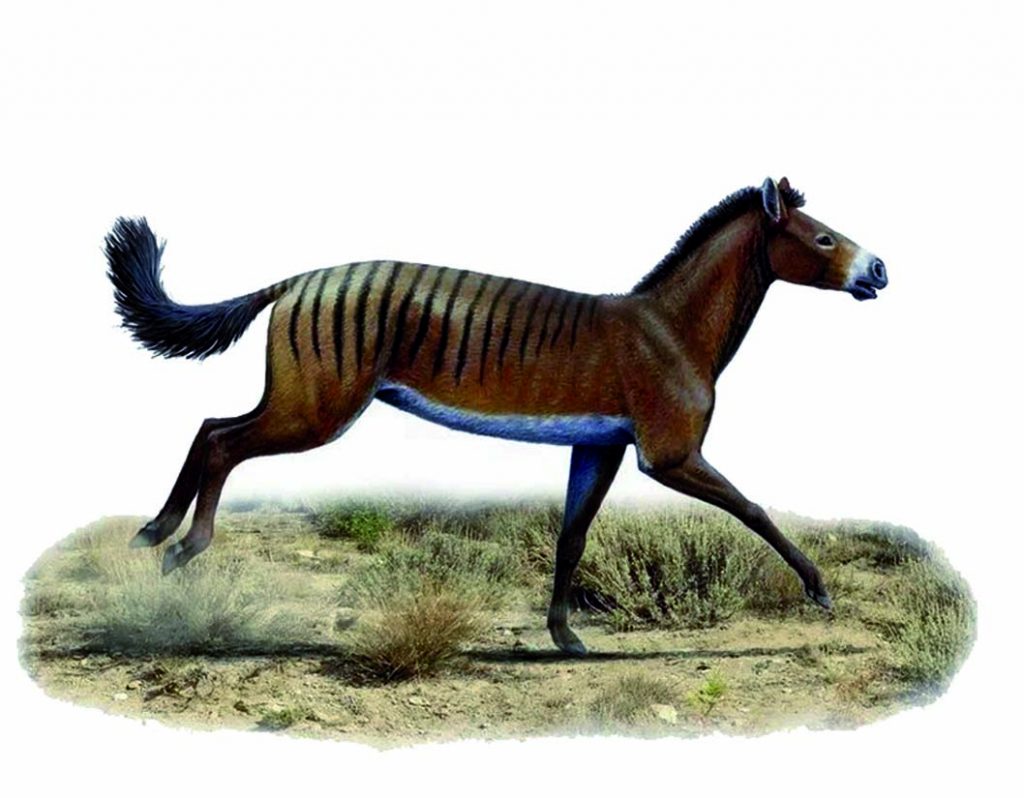
The focus of the study is Anchitherium, an extinct relative of modern horses. It had three toes, was considerably smaller than today’s horses, and was widely distributed across what is now Europe for around 10 million years. During this time, it experienced the environmental changes associated with the Miocene Climatic Optimum and other periods of climatic instability, making it a particularly suitable model for investigating how mammals responded to past environmental transformations.
The researchers studied Anchitherium fossils from five European sites—three in Spain and two in Germany—representing different periods before, during and after the major climatic events of the Miocene.
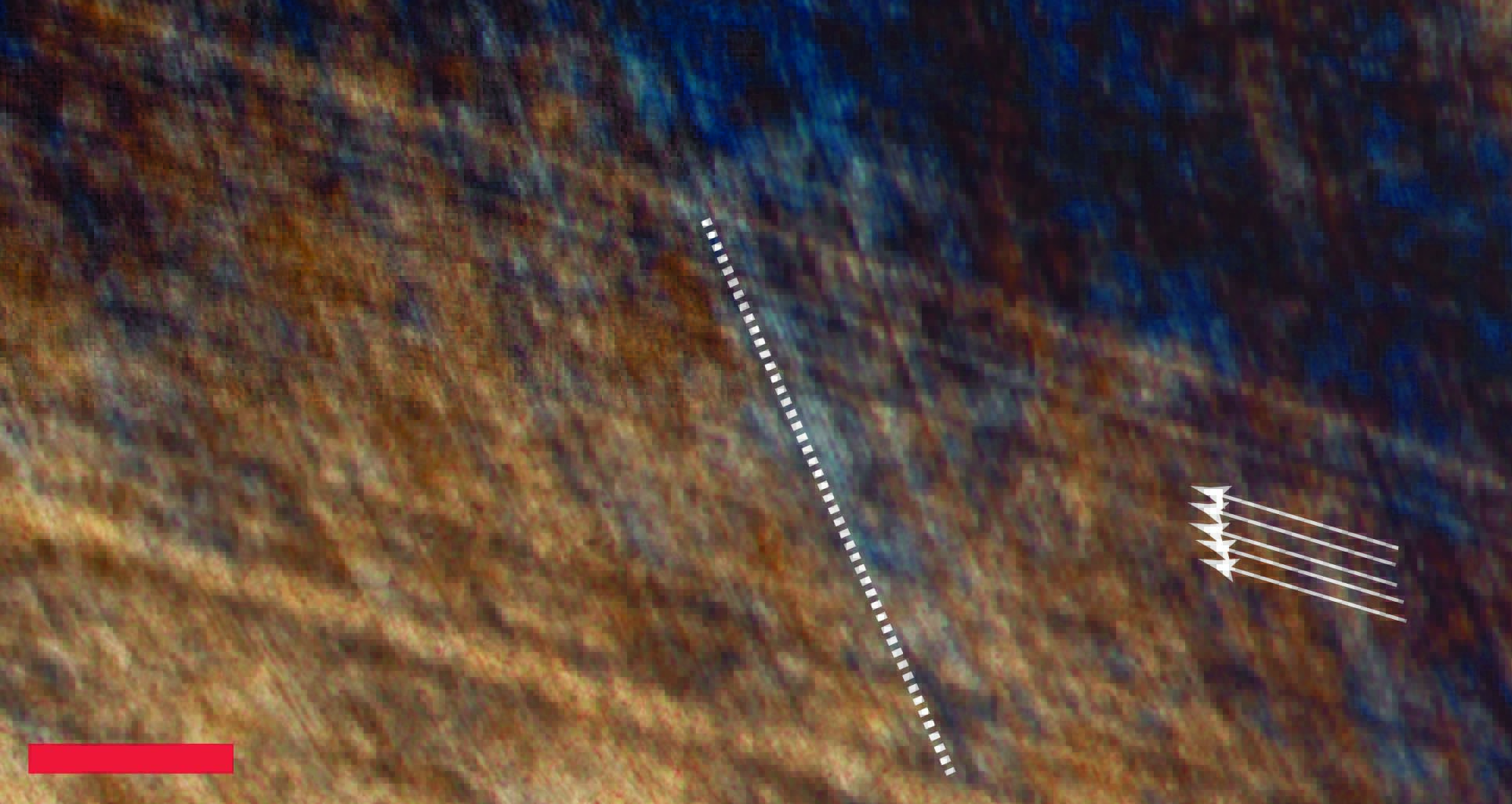
The research is based on the microscopic analysis of tooth enamel, a tissue deposited at regular intervals that preserves evidence of an animal’s growth process. These signals make it possible to reconstruct individual growth patterns and estimate aspects of their life history.
“Because life-history strategies are strongly influenced by environmental conditions, our initial hypothesis was that the environmental changes driven by Miocene climate change—particularly the development of more open and seasonal habitats—might have favoured faster growth rates in Anchitherium. However, the results did not support this prediction,” explains Teresa Calderón, Marie Curie researcher and first author of the study.
The individuals analysed displayed very similar growth patterns regardless of their geographical origin or the period in which they lived.
“What is particularly interesting is that we did not find a single response associated with climate change: Anchitherium appears to have maintained a highly conservative growth strategy during a period in which European ecosystems were undergoing major transformations,” highlights Daniel DeMiguel, co-author of the study and researcher at the University Institute for Research in Environmental Sciences of Aragon (IUCA).
These results contrast with previous findings for another European Miocene herbivore, which did shift towards a faster life-history strategy in response to the same climatic changes. The differences highlight that there is not necessarily a single biological response to the same episode of climate change. How individual species react may depend on their biological characteristics, their ability to modify their diet, and the opportunities available to them within changing ecosystems.
The study therefore demonstrates the value of the fossil record as an essential tool for understanding how species responded to environmental change in the past and which factors may contribute to their persistence under scenarios of ecological transformation such as current global warming.